TRA.ME.
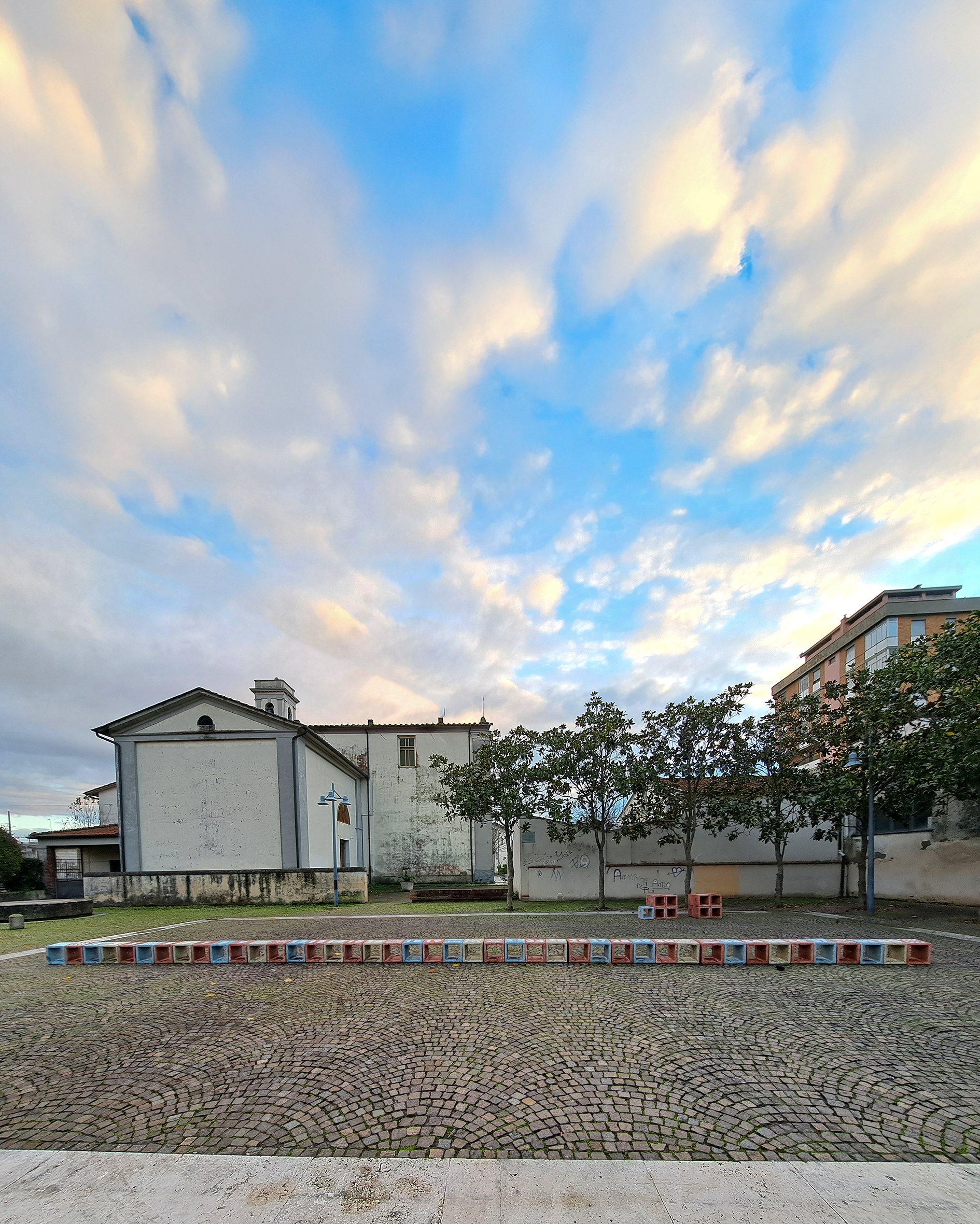
The project reimagines public space as a shared environment where memory, community, and everyday life come together through modular, playful, and participatory design interventions.
My role
Co-design Facilitation: planning and leading participatory workshops with local stakeholders and children, fostering shared decision-making and collaborative design outcomes.
Narrative Concept: development of a thematic storyline that connects spaces, users, and touchpoints, shaping a meaningful and cohesive project experience.
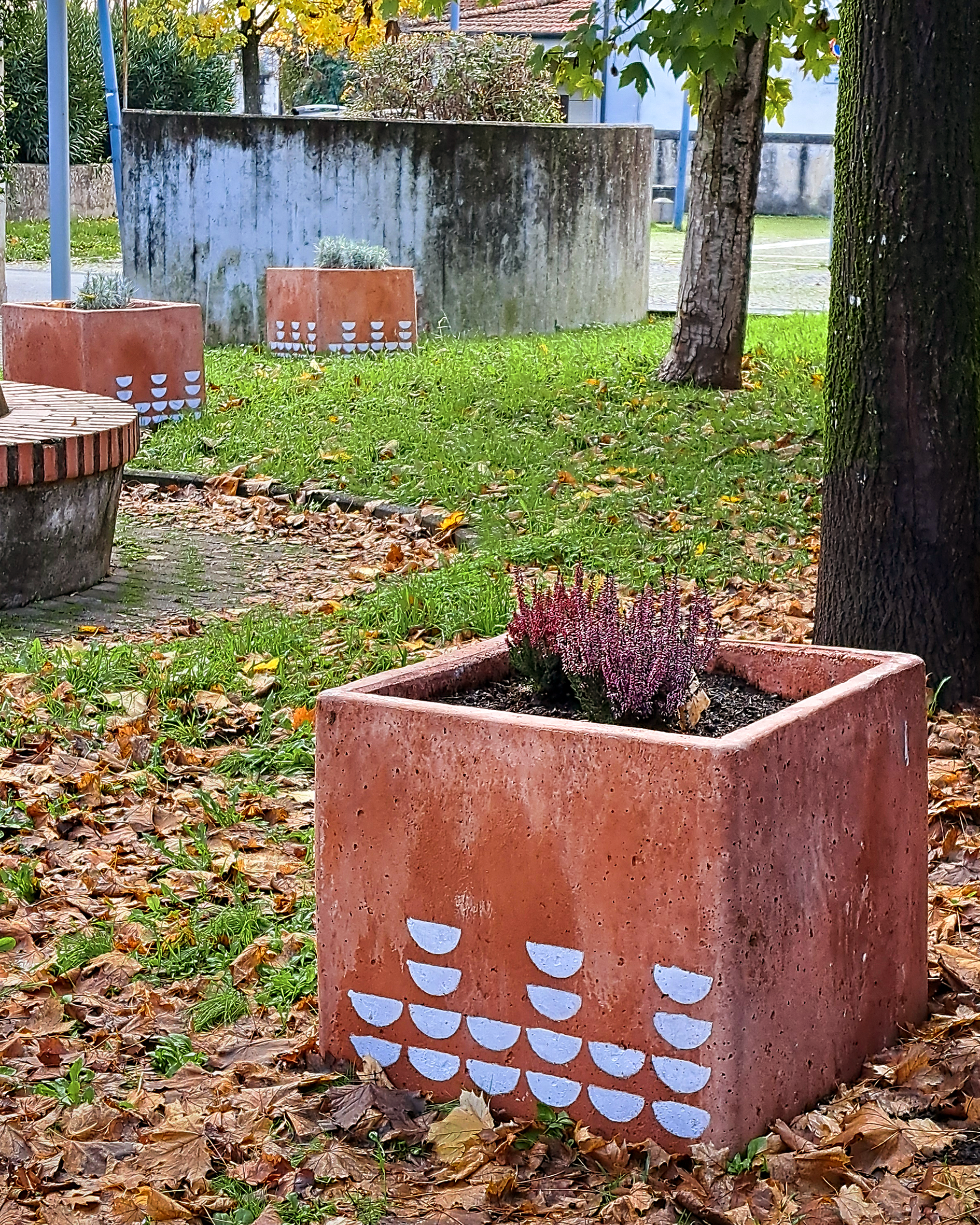
Product Design: design of modular urban furniture elements and the painted graphic surfaces integrated into them, combining functional usability with place-based aesthetics.
Visual Identity Design: definition of a consistent and cohesive visual system applied across artefacts, spaces, and communication elements.
Touchpoints & Wayfinding: design of narrative signage, spatial communication, and on-site experience components supporting orientation and engagement.
Implementation Support: coordination with partners during prototyping and installation phases to ensure coherent design translation into the built environment.
Project brief
The project, promoted by the Municipality of Calcinaia within the Regional Public Call supporting initiatives of active participation and social engagement, is conceived as a collaborative process of dialogue and co-design with the local community. Through active listening and territorial engagement, the project aims to develop light, temporary, and reversible artistic interventions that reinterpret urban spaces and pedestrian pathways. These interventions are designed to enhance the livability, usability, safety, and accessibility of public spaces, while generating new forms of identity, social connection, and everyday experience within the urban environment.
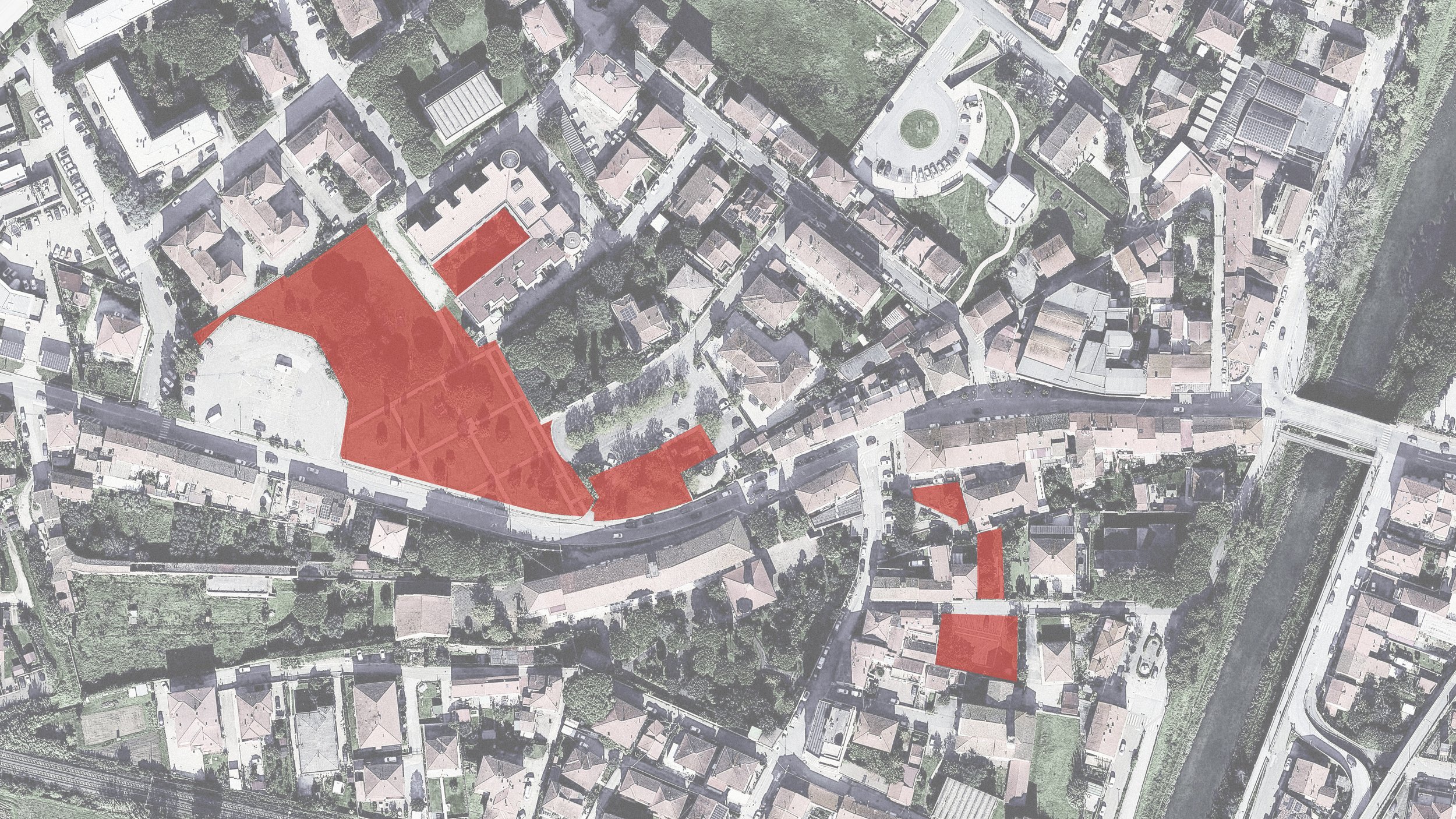
The Intervention Area
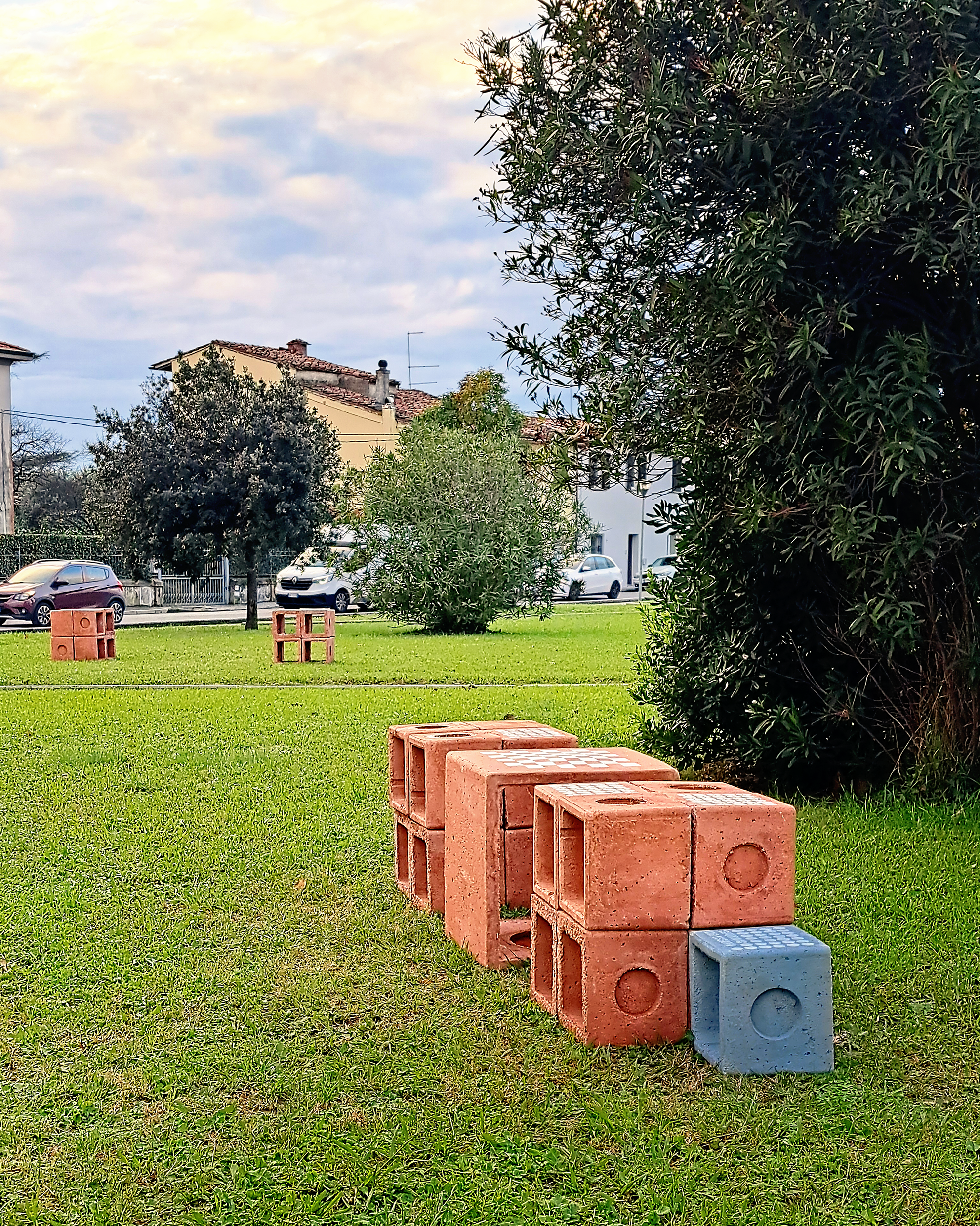
A public space enhanced with modular installations that improve everyday usability and create new opportunities for gathering, play, and social interaction.
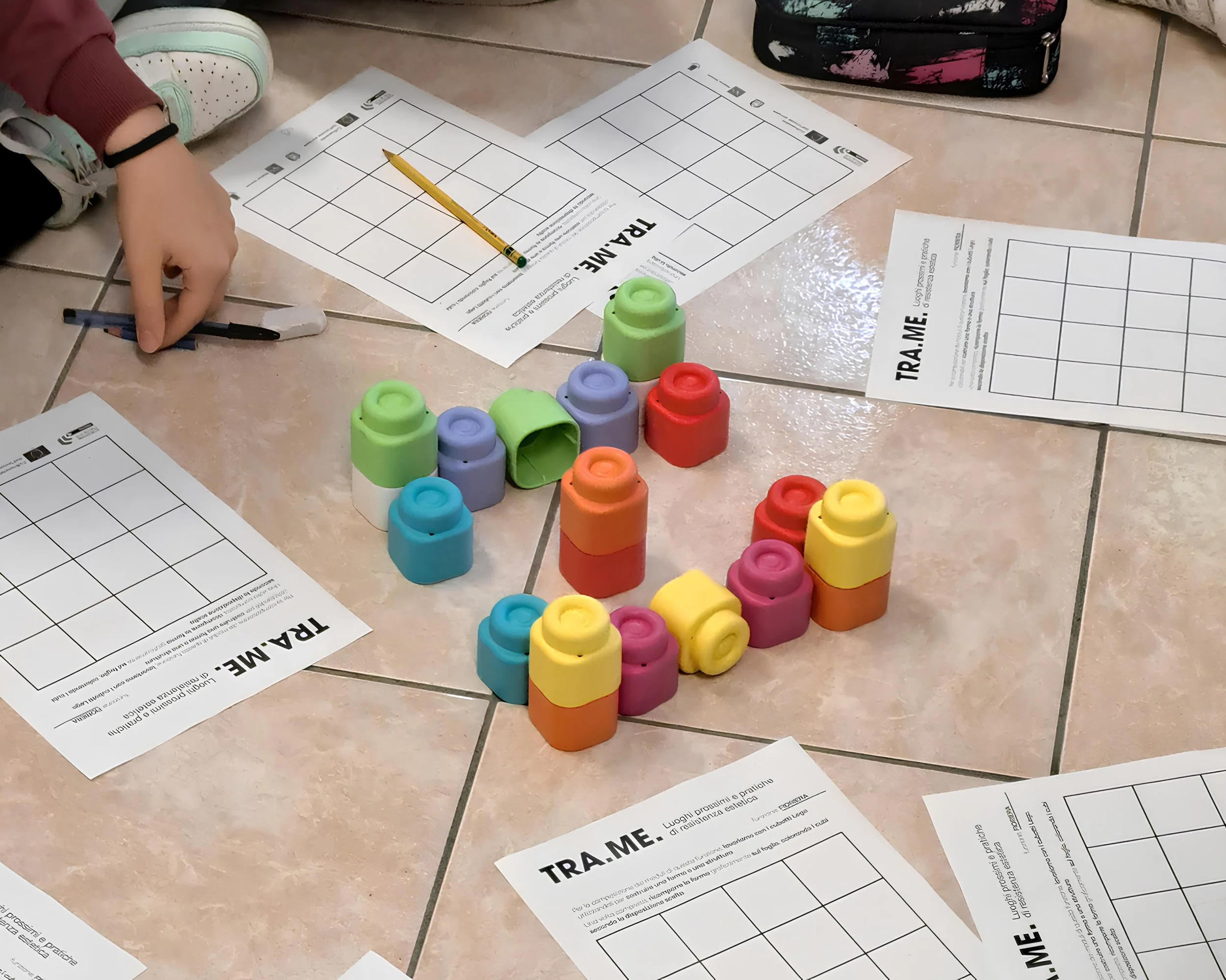
Co-design Process
A participatory pathway where children and residents help define layouts and graphics, strengthening identity, belonging, and shared authorship in the project.
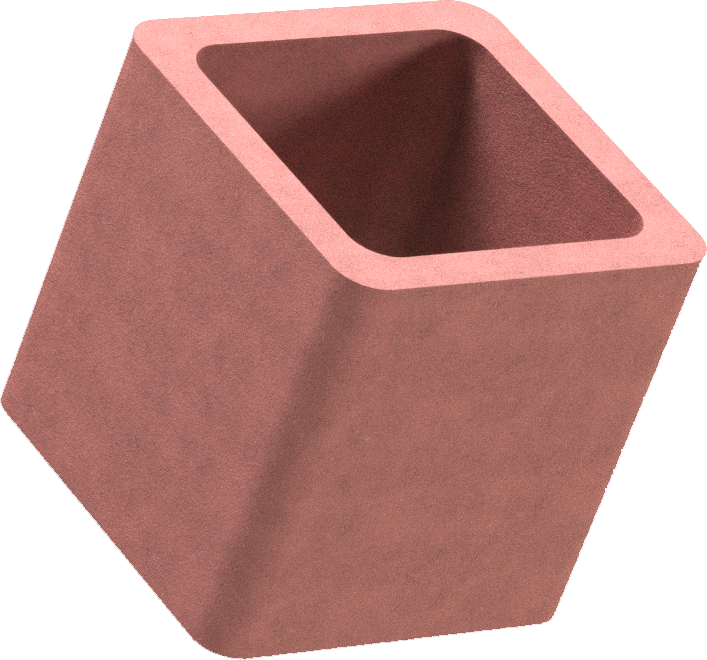
The Concept
Rooted in the history of Fornacette, the project reinterprets its origins through colored concrete prefabricated modules that symbolize connection and collective identity.
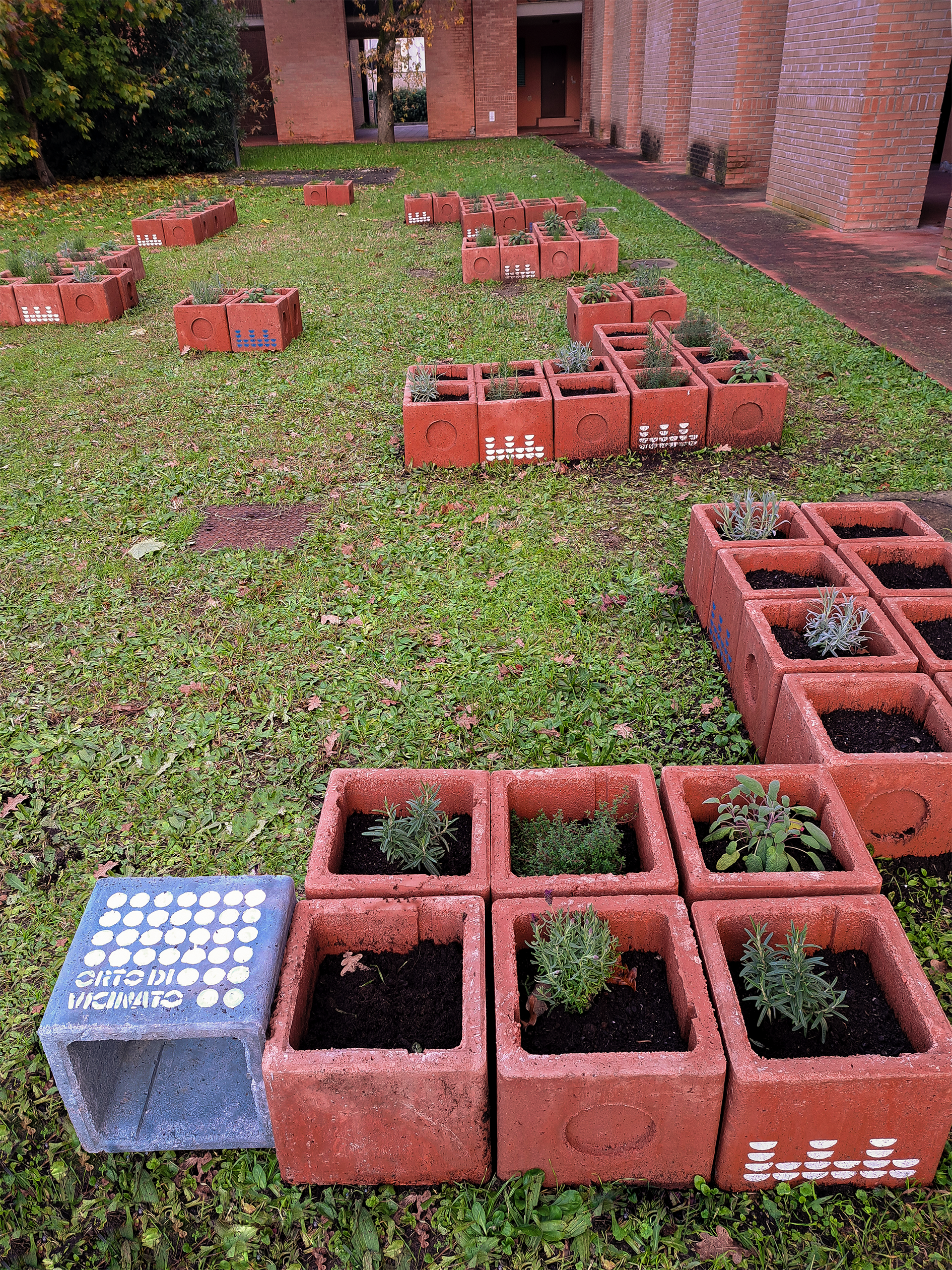
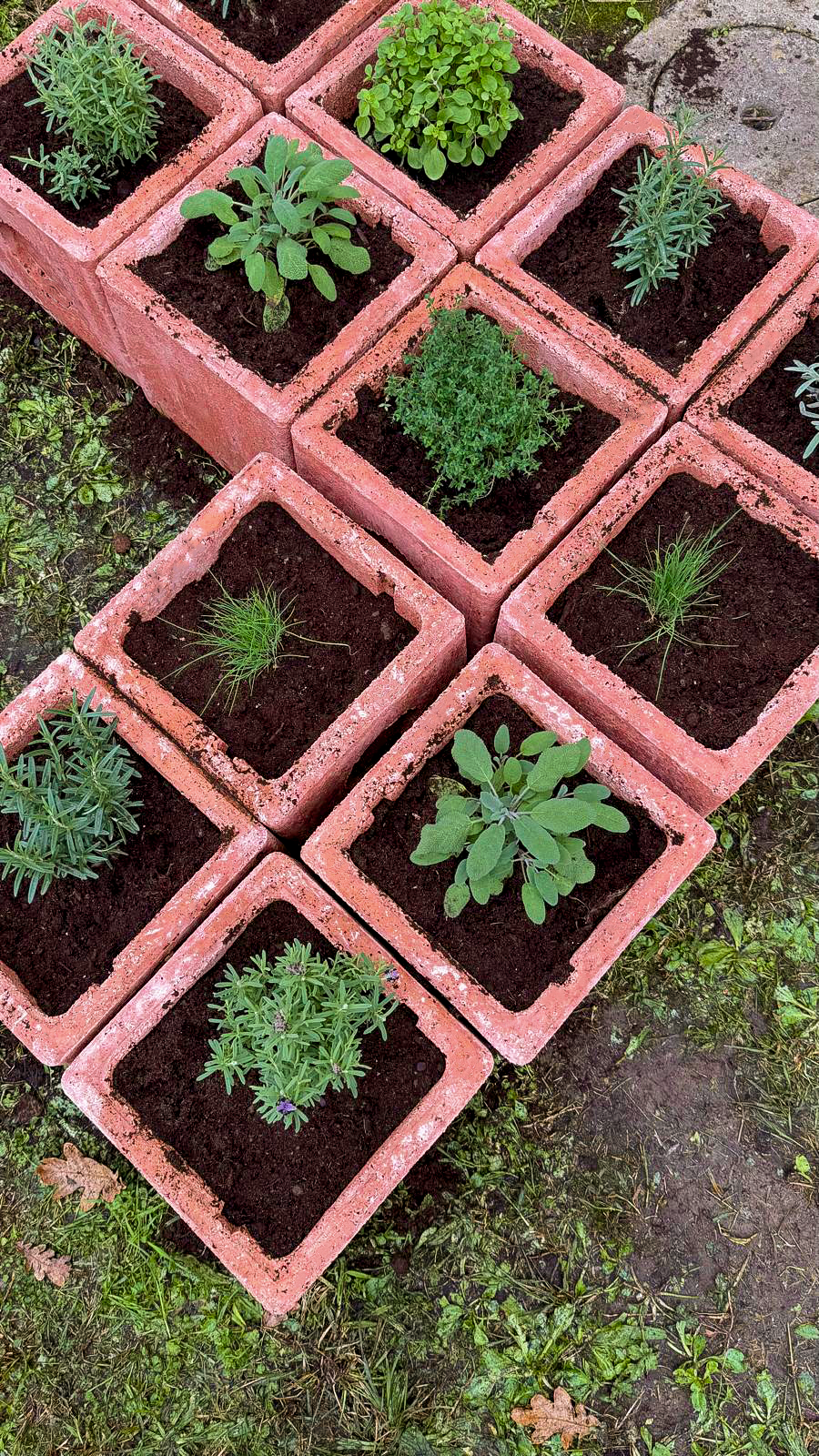
The Neighborhood Garden
A small communal garden that fosters care, proximity, and informal exchange, nurturing relationships between people, nature, and the shared environment.
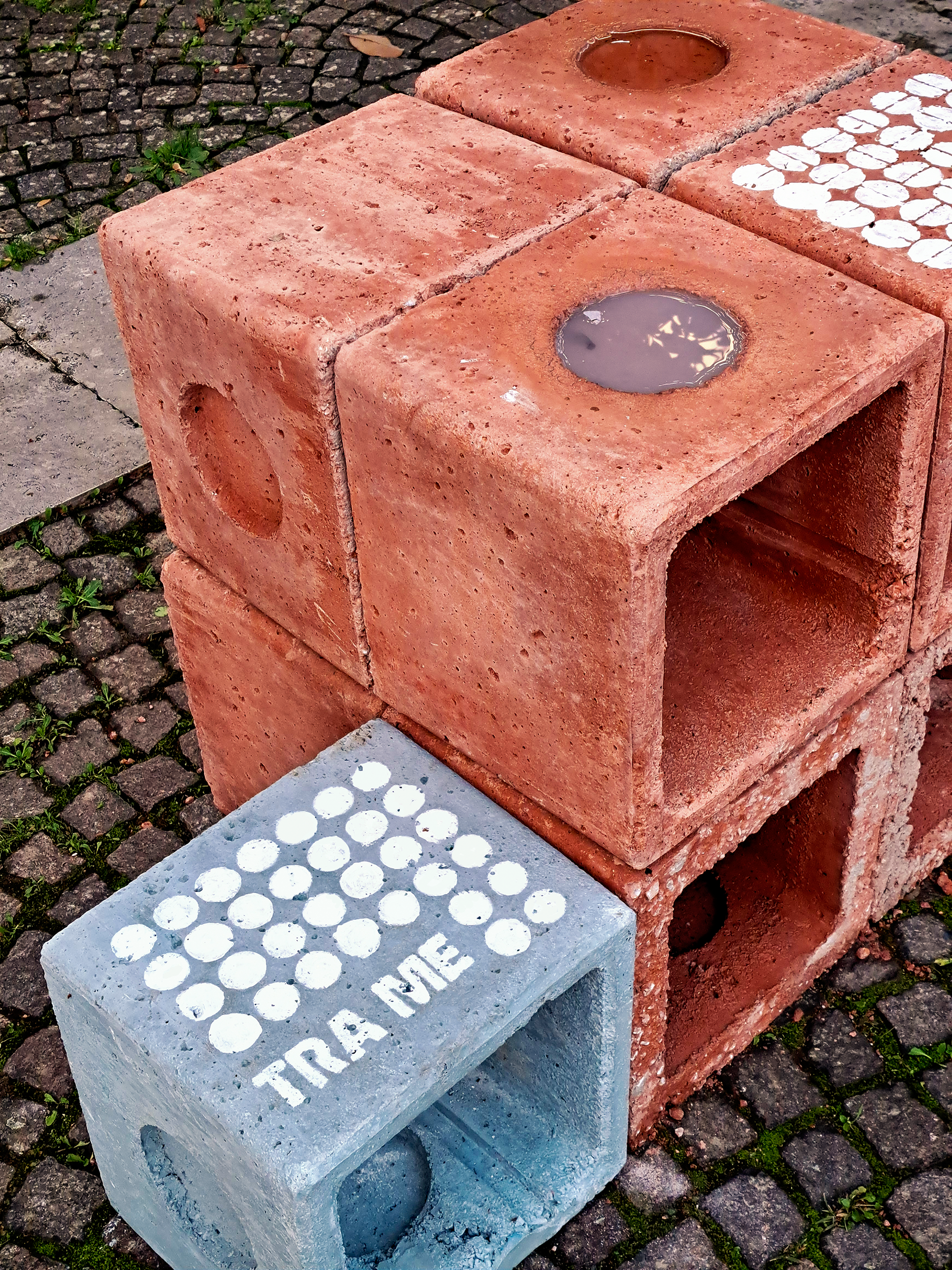
Modular Furniture Elements
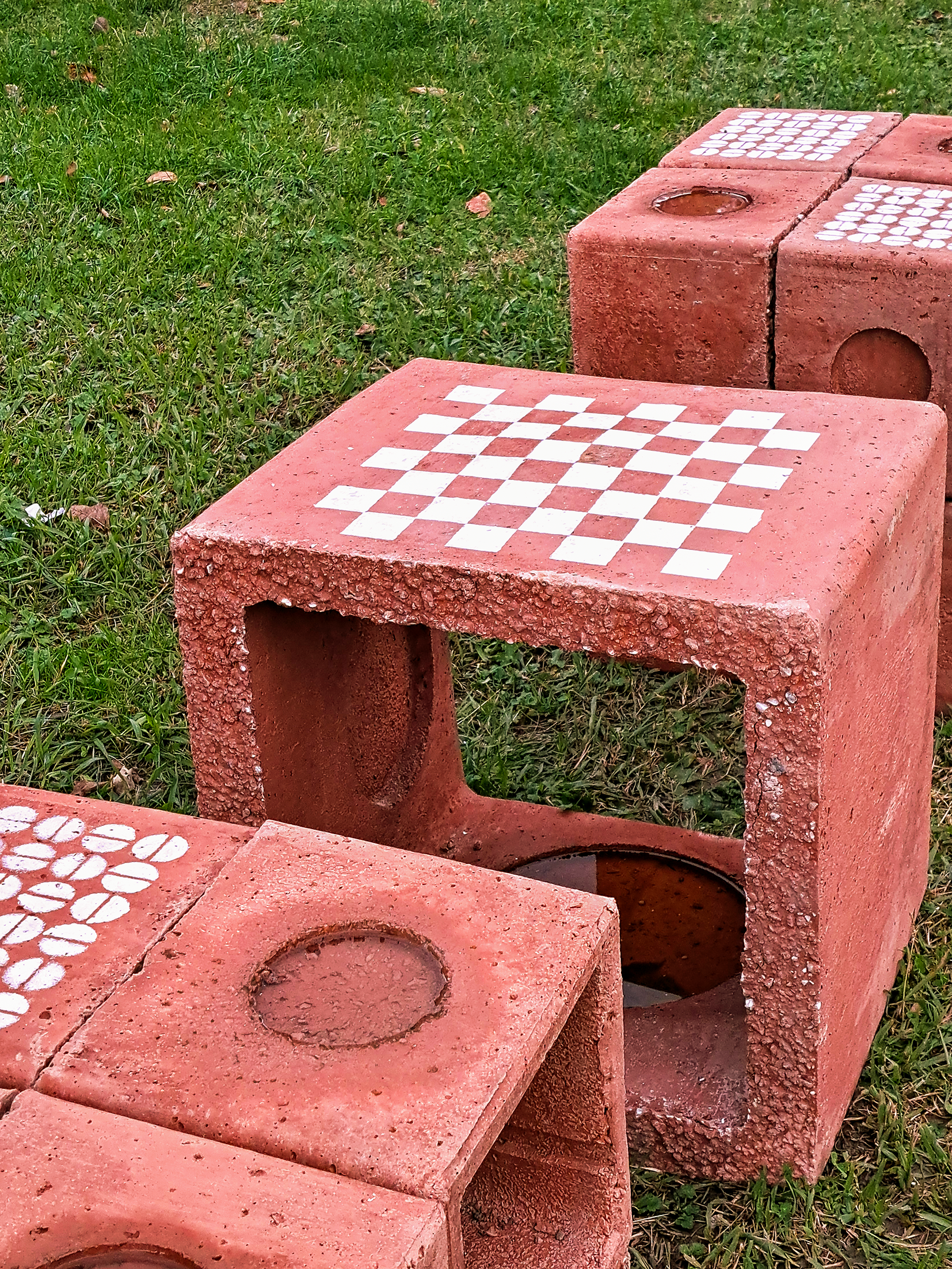
Modular seating and small tables in colored concrete, customized and painted by children, with checkerboard surfaces that invite play, interaction, and shared moments.
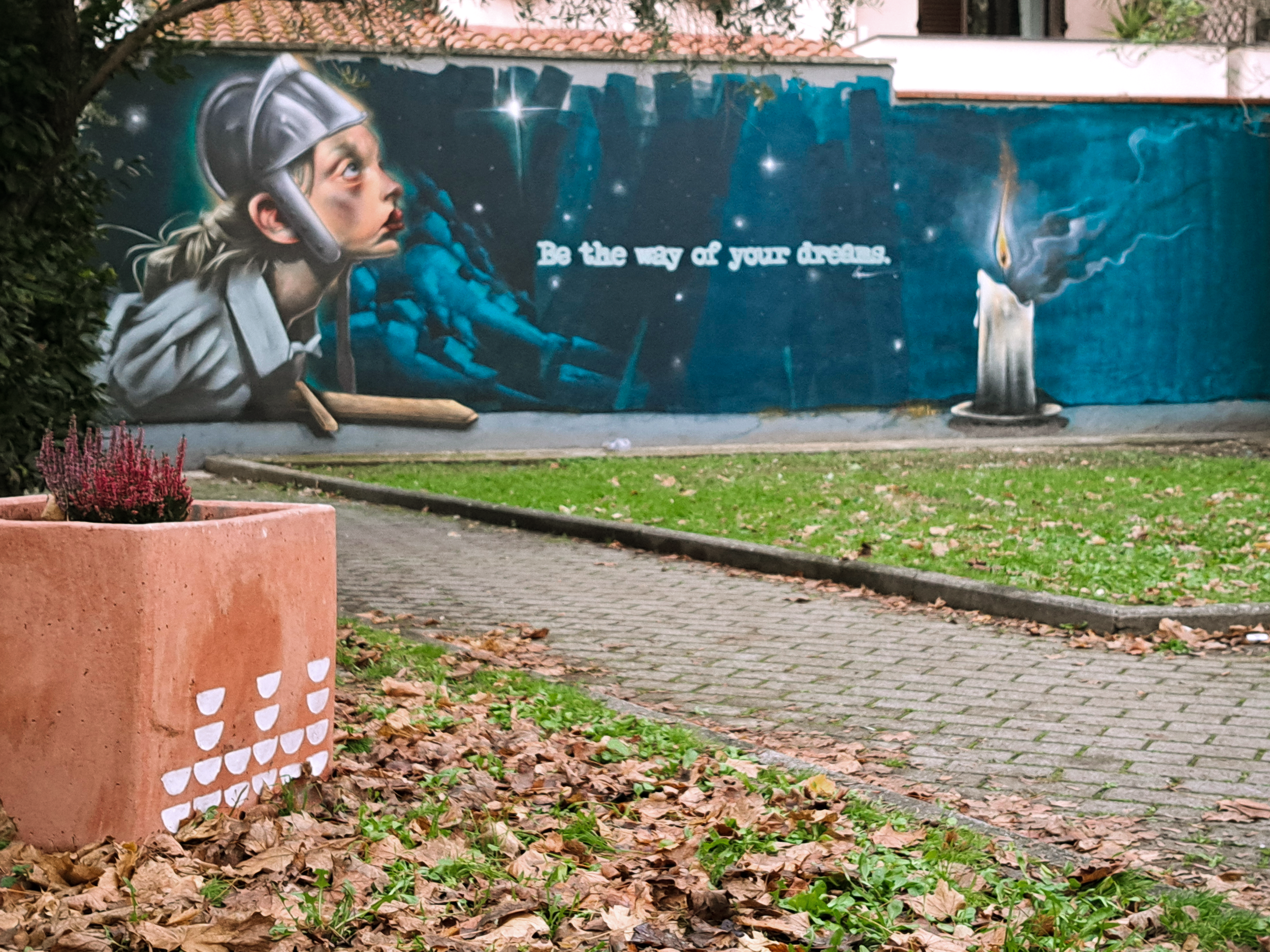
The Goose Game Path